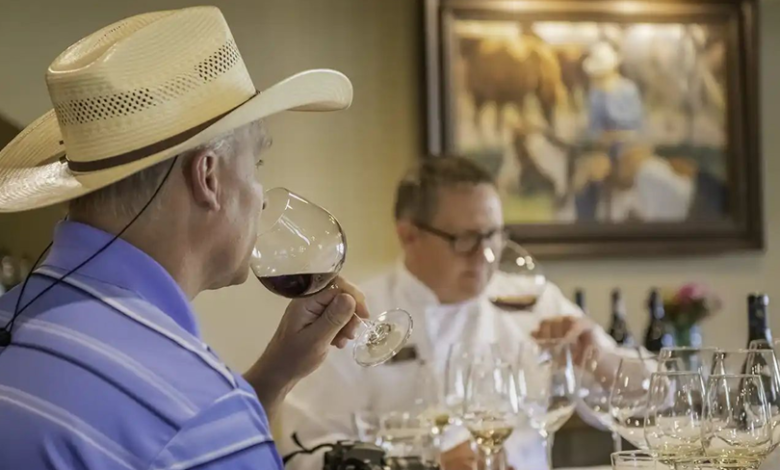
Wine tasting and fine dining at resort
For food-focused travelers, choosing between immersive local dining and resort comfort creates a false dilemma. Stay in a boutique hotel downtown and you’re constantly navigating traffic, parking, and logistics. Stay at a remote resort and you’re stuck with mediocre on-site restaurants, missing the region’s best flavors.
The solution isn’t compromise—it’s strategic positioning: choose a resort that functions as your culinary home base, not your dining destination.
Why Food-Focused Travel Is Different
When food is the primary reason you’re traveling, your lodging plays a different role than on typical vacations.
Traditional vacation: Hotel is where you recover from activities. Meals are functional—fuel between experiences.
Culinary vacation: Meals *are* the experiences. Your lodging needs to support multiple dining adventures per day without creating friction or exhaustion.
This requires:
– Proximity to food regions (not necessarily “in the middle”)
– Flexibility for spontaneous reservations or discoveries
– Recovery space between tasting experiences
– Comfort after wine-heavy lunches or multi-course dinners
Resorts deliver all of this—if you choose correctly.
The Positioning Sweet Spot
The best culinary resort bases aren’t located *in* the food destination—they’re positioned 10-20 minutes away.
Why this works:
Close enough for easy access: You can drive to vineyards, restaurant districts, or farmers’ markets in 15 minutes. No 45-minute commutes that eat your day.
Far enough for peace: After a day of wine tasting or a night of rich dining, you return to quiet, spacious surroundings—not the noise and energy of town centers.
Natural rhythm builder: The short drive creates a transition moment. You’re not stumbling from restaurant to hotel room; you’re consciously shifting from culinary exploration to relaxation mode.
Better resort amenities: Properties 15-20 minutes outside food hubs often offer better pools, grounds, and outdoor spaces at lower prices than boutique hotels downtown.
Examples:
Napa Valley: Stay in Yountville or St. Helena (resort-style inns) rather than downtown Napa. You’re 10 minutes from everything but not surrounded by tasting room crowds.
Charleston: Stay on Sullivan’s Island or Isle of Palms (beach resorts) rather than downtown. Twenty minutes to King Street restaurants; zero tourists outside your door.
Willamette Valley: Stay in McMinnville or Newberg (wine country resorts) rather than Portland. Direct access to vineyards without city stress.
New Orleans: Stay in Garden District properties rather than French Quarter hotels. Streetcar access to restaurants; quiet evenings without Bourbon Street chaos.
Building the Culinary Day
When food is the focus, your daily structure needs to accommodate multiple eating experiences without overwhelming your palate or schedule.
Morning: Light Start
7:00-9:00am: Simple breakfast at resort or local bakery/café. The goal is nourishment, not an experience. Save your appetite.
9:00-12:00pm: Morning exploration—farmers’ market, food artisan visits, cooking class, or winery tour with light tasting.
Midday: The Big Experience
12:00-3:00pm: This is your anchor meal—the tasting menu, the multi-course lunch, the winery pairing experience. Take your time. Let it be the day’s highlight.
Afternoon: Recovery Block
3:00-6:00pm: Return to resort. This is non-negotiable after wine tasting or heavy meals. Pool time, nap, read, walk the grounds. Let your body process.
Evening: Strategic Second Experience
6:00-9:00pm: Lighter evening experience—tapas, casual restaurant, food truck discovery, or simple resort dinner. Don’t stack two heavy meals in one day.
Why this works: You’re doing two culinary experiences daily (one major, one light), with built-in recovery time. Compare this to cramming three meals plus tastings into one day—which sounds exciting but leaves you exhausted and unable to appreciate flavors by day three.
See also: How TMS Ruined My Life: A Closer Look at the Risks and Realities
Resort Features That Support Food Travel
Not every resort works for culinary trips. Look for:
In-Room Practicality
Minifridge or kitchenette: Essential for storing wine purchases, cheese from markets, leftovers from excellent dinners, or breakfast supplies.
Coffee maker (real, not pod): Morning coffee without leaving your room saves time and energy for the day’s culinary plans.
Outdoor space: Balcony or patio where you can enjoy a simple breakfast, afternoon cheese plate, or evening wine without going to the resort restaurant.
Flexible Dining Options
Optional breakfast: Don’t get locked into included breakfast if it forces you to eat at 8am when you’d rather visit a local bakery.
Dinner flexibility: Resorts that don’t require meal plans give you freedom to explore. All-inclusive properties lock you into mediocre resort food.
Late-night snack options: After a 9pm dinner, you might want tea and a light bite at 11pm. Properties with 24-hour room service or lobby bars support this.
Wellness Features
Spa access: After multiple wine-heavy meals, a sauna or massage helps reset your body.
Pool and hot tub: Hydration and movement between meals. Essential for multi-day food trips.
Walking paths or grounds: Gentle movement aids digestion and gives you something active to do that doesn’t involve eating.
Wine Country: The Test Case
Wine country travel perfectly illustrates why the culinary resort strategy works.
Bad approach: Stay at a boutique B&B in the middle of wine country. Wake up, breakfast at the B&B, drive to winery #1, taste. Drive to winery #2, taste. Lunch at winery restaurant. Drive to winery #3, taste. Attempt winery #4 but you’re exhausted and slightly buzzed. Return to B&B. Realize you have no dinner options nearby and you’re too tired to drive back out.
Good approach: Stay at a resort 15 minutes from wine country. Wake up, light breakfast. Drive to winery cluster, taste at two wineries over three hours. Lunch at excellent winery restaurant (your anchor meal). Return to resort by 2pm. Pool, nap, spa. Evening: simple resort dinner or easy drive to nearby casual spot.
The second approach gives you space between experiences, eliminates driving after heavy tasting, and ensures you’re actually enjoying the wine instead of rushing through it.
Charleston Example: Four-Day Food Trip
Day 1
Morning: Walking food tour through downtown markets
Midday: Lowcountry lunch at Husk or FIG (anchor meal)
Afternoon: Beach resort pool time
Evening: Casual oyster bar
Day 2
Morning: Boone Hall Plantation + farm stand shopping
Midday: Drive to Sullivan’s Island, light beach lunch
Afternoon: Resort rest
Evening: Downtown tasting menu at Indaco
Day 3
Morning: Coffee + beignets at local bakery
Midday: Brunch at The Obstinate Daughter (anchor meal)
Afternoon: Full resort day—no leaving the property
Evening: Simple room-service dinner
Day 4
Morning: Charleston City Market browsing
Midday: Departure lunch at She Crab soup spot
Afternoon: Travel home
Four days. Six memorable food experiences. One full resort rest day. Zero exhaustion.
The Local Connection Myth
Some travelers worry that staying at a resort means missing “authentic local experiences.” This is backward thinking.
Reality: The best local food experiences happen at *restaurants and food businesses*, not hotels. Your lodging choice has almost zero impact on whether you eat authentic regional cuisine.
What matters:
– Are you choosing locally-owned restaurants over chains?
– Are you visiting farmers’ markets, food artisans, and specialty producers?
– Are you asking locals for recommendations instead of following tourist guides?
Whether you sleep at a downtown boutique hotel or a beach resort 20 minutes away makes no difference to these decisions.
The resort actually *enhances* local experiences by ensuring you have the energy and appetite to enjoy them fully.
Common Mistakes Food Travelers Make
Over-scheduling: Booking three restaurant reservations plus two wine tastings in one day. By meal three, you can’t taste anything and you’re forcing yourself to eat.
Under-resting: Treating food travel like sightseeing (“we can’t waste time at the hotel”). Your body needs recovery time to process rich meals and wine.
Skipping research: Showing up and hoping to find great food. The best restaurants, especially in smaller food destinations, require advance reservations.
Ignoring dietary rhythm: Eating the same volume at every meal. Better: one substantial lunch, lighter dinner (or vice versa). Don’t stack two heavy meals daily.
Driving after tasting: Wine country, brewery tours, or cocktail experiences require a plan for safe transportation. Resort positioning often means you’re driving less overall.
Beyond Wine Country: Where This Works
This strategy applies to any destination where food is a primary draw:
Texas BBQ trail: Stay in Austin or San Antonio (resort base); day-trip to Lockhart, Luling, or smaller BBQ towns.
Louisiana food regions: New Orleans as base; explore Cajun country, plantation restaurants, and bayou seafood spots.
Pacific Northwest: Portland, Seattle, or wine country—strong food scenes with nearby resort options.
California coast: Monterey, Carmel, Big Sur region—seafood, farm-to-table, wine, all with stunning resort properties.
Finger Lakes, New York: Wine country with farm-to-table dining; resorts positioned on lake shores.
Find Your Perfect Culinary Home Base
Planning a food-and-wine getaway? [International Resort World](https://internationalresortworld.com/) helps travelers find resorts that support culinary exploration without sacrificing comfort and recovery.
Their no-obligation consultation matches your dining goals to properties positioned for easy access to food regions, with amenities that support multi-meal days: [Travel Blogs for Destination Ideas](https://internationalresortworld.com/travel-blogs/).
Stop choosing between local dining and resort comfort. Find properties that deliver both: [Available Resorts](https://internationalresortworld.com/available-resorts/).
Start planning your next food-focused escape: [Find Your Dream Resort](https://internationalresortworld.com/).