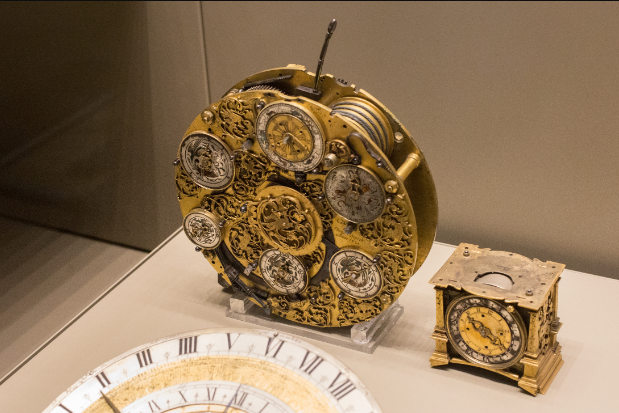
Antique clocks do not ask for attention. They earn it. Long before screens measured our days, these objects marked time with weight, sound, and patience. Today, they sit in homes as both tools and witnesses. They remind us that time once moved at a human pace.
This article explores why antique clocks still hold meaning, how they fit into modern spaces, and what makes them worth preserving.
Time That Can Be Touched
Modern time feels abstract. We swipe, tap, and glance. Antique clocks offer something different. You can wind them. You can hear them. You can feel their presence in a room.
They were built to last, not to be replaced. That single fact sets them apart from most objects we use today.
A well-made clock does not rush time. It respects it.
Antique Clocks as Living Objects
Antique clocks were never meant to be silent decor. They were part of daily life. Their ticks filled rooms. Their chimes marked meals, work, and rest.
Each clock reflects the era that shaped it. A French clock speaks of balance and craft. An English clock favors order and restraint. An American clock often shows practical design.
For example, a late 19th-century mantel clock often used brass movements and solid wood cases. These materials aged well. That is why many still work today with only basic care.
Unlike modern devices, these clocks invite interaction. You must wind them. You must listen to them. That small effort creates a bond.
Why antique clocks Still Belong in Modern Homes?
Antique clocks work well in modern spaces because they add contrast. Clean lines and smooth surfaces gain depth when paired with something old and tactile.
They also bring rhythm into a room. A steady tick can calm a busy space. A soft chime can mark the passing hours without demanding attention.
Here is one simple reason people keep them:
- They offer function, history, and presence in a single object.
That balance is rare.
A clock that has survived a century has already proven its value.
The Craft Behind an antique mantel clock
An antique mantel clock was designed for shared spaces. It sat where people gathered. Its size allowed for detail without excess.
Most mantel clocks use spring-driven movements. These movements store energy through winding and release it in a controlled way. The escapement system regulates that release. This design rewards patience and precision.
For example, a clock with a recoil escapement may tick louder but offers strong reliability. A deadbeat escapement runs quieter and keeps steadier time.
Wood cases were often hand-finished. Veneers were laid with care. Small flaws tell you a human hand was involved.
See also: How Family Dentistry Tracks Oral Changes Across Different Life Stages
Imperfection is not a flaw. It is a signature.
Caring for Old Timekeepers
Antique clocks need respect, not fear. Basic care goes a long way.
Keep them away from direct heat and sunlight. Wind them on a schedule. Listen for changes in sound.
Pro tip: If a clock runs but loses time, do not rush to adjust it. Let it run for a full week first. Many clocks settle once fully wound and stable.
If service is needed, find a clockmaker who works with mechanical movements. General repair shops often lack the right tools.
A Final Thought on Time and Meaning
Antique clocks remind us that time once had weight. You could hear it. You could feel it pass.
They do not compete with modern tools. They offer something else. They offer continuity.
Time does not need to be faster to be valuable. It needs to be understood.
In a world that moves fast, an old clock stands still and keeps going. That quiet strength is why it still matters.