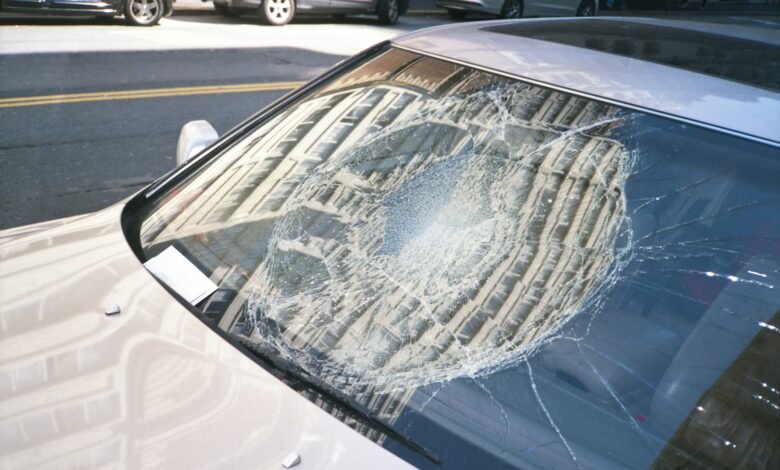
With winter settling in and storm seasons becoming more unpredictable, hailstorms are an all-too-common challenge for drivers across regions prone to seasonal weather swings. Large hailstones can hammer vehicles in minutes, leaving car bodies covered in dents, cracked glass, and weakened protective surfaces. Beyond cosmetic damage, these impacts can expose metal to rust, reduce resale value, and even cause hidden structural and mechanical problems if ignored.
Addressing hail damage sooner rather than later is crucial because what starts as harmless-looking dents can lead to costly consequences down the road, including escalating repair bills, insurance claim complications, and deteriorating vehicle integrity. That’s why savvy car owners increasingly turn to Paintless Dent Repair (PDR) as the go-to solution after hail strikes, as it’s the most practical and effective way to restore your car after storm damage.
In this blog, we’ll look at what PDR is and its major advantages to help you turn your hailstorm aftermath into a cost-saving opportunity down the road by protecting your vehicle’s value, reducing repair costs, and getting your car back on the road faster.
What Is Paintless Dent Repair (PDR)?
Paintless Dent Repair, usually called PDR, is a non-invasive method used to remove dents, dings, and minor damage from a vehicle without repainting the affected area. Unlike traditional auto body repairs that rely on fillers and new paint, PDR works with the original panel structure when the paint surface is still intact. PDR uses specialized tools to gently push the dented metal back into its original shape from behind the panel.
This method is especially suitable for hail damage because hail typically causes multiple shallow dents that do not crack or chip the paint. In these cases, trained technicians use the PDR method to restore the metal back to its original shape without disturbing the factory finish, preserving the vehicle’s look and value.
PDR is most effective on metal body panels, such as aluminum or steel sections of the hood, roof, and doors, where the paint remains intact. As the original paint is undisturbed, there’s no need for sanding, fillers, or repainting, so the repaired area can match seamlessly with the rest of the vehicle.
Why PDR Is Ideal for Hail Damage
When hailstorms strike, they often leave behind dozens of minor dents that can make your car look worn and decrease its value. For damages like this, here’s why PDR is well-suited to restore your vehicle to its original finish and appeal.
1. Preserves Original Factory Paint
One of the considerable advantages of Paintless Dent Repair (PDR) for hail damage is that it keeps your vehicle’s original paint completely intact. Instead of sanding down the surface, applying fillers, or repainting panels (which can result in uneven texture or mismatched colors), PDR uses a non-invasive technique to repair the dents. This means the factory finish on your vehicle stays exactly as it was.
Preserving the original paint is not just about looks, but also value. Factory paint is formulated to be more durable and fade-resistant than repaint jobs, and maintaining that finish helps protect your vehicle against rust, corrosion, and future deterioration.
If you live in a hail‑prone region such as Texas and often struggle with hail-induced dents and dings, PDR benefits make it an especially smart choice. Just look for reliable services offering hail repair in San Antonio or your city to ensure your vehicle’s finish and value are preserved while getting back on the road quickly with minimal repair costs.
2. Faster Repair Turnaround
When compared to traditional auto body shop work, PDR can be quickly completed. Because PDR only involves reshaping the existing metal without sanding, painting, or waiting for finishes to cure, many small dents and dings can be fixed in just a few hours. Minor repairs may take as little as 30 minutes to 2 hours, and even more extensive hail damage across several panels is often wrapped up within 1–3 days.
This faster turnaround is not just about convenience, but it also means less time without your vehicle and fewer days spent arranging alternate transportation. For busy drivers, that reduced disruption can be a game‑changer, letting you get back on the road sooner and return to your routine without the long wait that comes with conventional repairs.
3. Lower Overall Cost
Another standout benefit of PDR is its ability to fix dents and dings at a lower cost without compromising quality. Since this method does not require paint, fillers, primers, or other consumable materials, the overall repair expense is reduced right from the start. This means you’re paying primarily for the skilled labor required to reshape the metal, not for expensive supplies.
It’s an exceptionally economical option when dealing with multiple minor dents, especially those caused by hail. Many vehicle owners find that the total cost for a PDR‑based hail repair is significantly more manageable, making it easier to handle repairs whether paying out‑of‑pocket or working with insurance.
4. Maintains Vehicle Resale Value
One of the most valuable benefits of Paintless Dent Repair (PDR) is its ability to help your vehicle retain a higher resale value after hail damage. Since PDR restores dents without disturbing the factory paint, as discussed above, your car keeps its original finish. This factor is essential, as buyers and dealers alike highly prefer it when evaluating a used vehicle. Vehicles with untouched factory paint are seen as better maintained and less likely to have hidden damage, which can translate into maximum financial return when it’s time to sell or trade them in.
Original paint also provides optimal protection against rust, fading, and environmental wear, supporting the long‑term aesthetics and structural integrity of your car, traits that prospective buyers look for. Dealers and private buyers often use the presence of factory‑finished panels as a signal of quality and care, meaning a car repaired with PDR will likely land a higher market value than one with visible bodywork or repainting history.
5. Environmentally Friendly
Paintless Dent Repair (PDR) is not only effective for fixing hail damage, but it’s also a greener choice for vehicle repair. Because the process does not require paints, solvents, primers, or other chemical‑based products, it avoids the release of volatile organic compounds (VOCs) and other harmful emissions into the air. These chemicals are commonly used in automotive painting and have been linked to air pollution and health risks, so eliminating them helps reduce environmental contamination and promotes cleaner air quality.
In addition to reducing chemical use, PDR generates very little waste, which would otherwise contribute to landfills and resource depletion. By relying on skilled manual techniques and specialized tools, PDR minimizes energy consumption and material waste, making it a more sustainable option for car owners who want to be environmentally conscious while restoring their vehicles.
Choosing PDR for hail damage, therefore, is not just suitable for your car but also a responsible choice for the planet, too.
Wrapping Up
Choosing the right repair solution after a hailstorm is not just about fixing dents. It’s about making a decision that benefits both your vehicle and your peace of mind. With its blend of practicality, efficiency, and long‑lasting results, Paintless Dent Repair stands out as a sustainable choice for anyone looking to restore their car quickly and responsibly.
Whether you are planning to sell your vehicle in the future or want a repair that respects your budget, PDR offers a reliable path forward that keeps your car looking good and performing well for years to come.