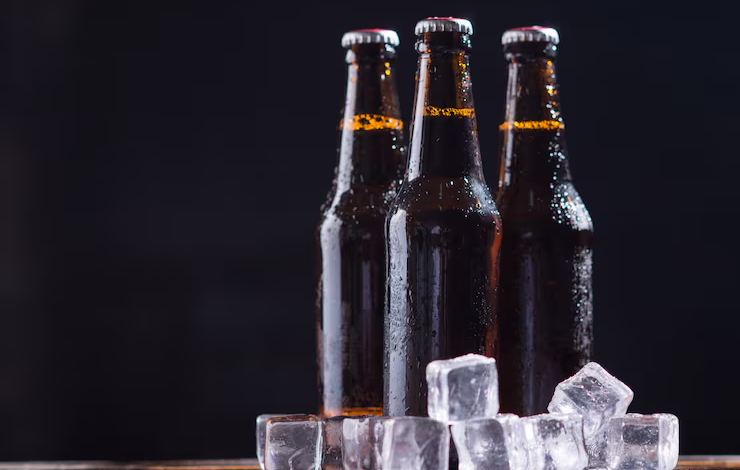
You’ve spent months perfecting your brew. The taste is spot on. The recipe is dialled in. But when you line up your bottles next to the competition on the shelves, something feels off.
Maybe it’s the label that’s letting you down.
Choosing between beer bottle stickers and traditional labels isn’t just about aesthetics. It’s about whether your product survives the cold room, catches the eyes of potential buyers on the shelf, and doesn’t blow your budget before you’ve even started selling your product. For Sydney brewers working with tight margins, this decision matters more than you might think.
Let’s break down what actually works.
What’s the real difference anyway?
Beer bottle stickers are pressure-sensitive labels. You peel and stick them straight onto clean, dry bottles. No water bath, no glue mess, no waiting around for anything to dry.
Traditional labels usually mean paper labels applied with glue or water-activated adhesive. They’ve been around forever, which means they work. But they also come with quirks that can slow you down or cost you more than expected.
The application method changes everything. Stickers give you speed and flexibility. Traditional labels often need equipment or at least a good system if you’re hand-labelling in small batches.
When stickers make sense for your brewery
Stickers shine when you’re moving fast or testing new designs. Perhaps you’re launching a limited-edition seasonal brew and don’t want to commit to thousands of one design. Or maybe you’re a startup that needs to pivot quickly based on customer feedback.
The self-adhesive backing means you can label bottles yourself without special tools. This keeps your setup costs low, which matters when you’re bootstrapping or running tight on cash flow.
Stickers also handle moisture better if you’re using polypropylene material. Beer bottles sweat in the fridge. They get handled with wet hands at bars and bottle shops. A quality synthetic sticker won’t peel or smudge when things get damp.
If your brand identity changes often or you like running special editions, stickers let you switch designs without retooling your whole process. Print what you need, when you need it.
See also: The Rise of the Essentials Hoodie in American Fashion
Durability matters more than you think.
Beer bottles go through a lot of issues. They get packed into cartons, shipped across Sydney, stored in cold rooms, pulled out onto warm shelves, then dunked back into ice buckets at events.
Your labels need to survive all of that without falling apart.
Polypropylene stickers are built for this. They resist water, oil, and scuffing. If someone handles your bottle with greasy fingers at a pub, the label stays intact.
Traditional paper labels can work if they’re laminated or varnished, but that adds cost and still doesn’t always hold up as well as synthetic materials in tough conditions.
Think about where your beer ends up. If it’s sitting in an esky full of melting ice at a festival, you need labels that won’t turn to mush.
Cost isn’t just about the price per label.
When you compare costs, look beyond the unit price.
Stickers might cost slightly more per label, but they save you time and labour. No glue to mix. No drying time. No equipment maintenance. If you’re a small operation where your time is valuable, that efficiency adds up fast.
Traditional labels might look cheaper on paper, but factor in the glue, the application time, and the potential waste from labels that don’t stick properly or get damaged during application.
Also consider the cost of re-labelling if something goes wrong. If a batch of traditional labels fails because of humidity or poor adhesive, you’re stuck peeling them off and starting over. That’s wasted product, wasted time, and wasted money.
Design flexibility and turnaround time
Stickers give you more freedom to experiment. You can order smaller runs without breaking the bank, which means you can test different designs, run limited releases, or react quickly to market trends.
Traditional labels often require larger minimum orders to make the setup costs worthwhile. If you’re locked into a design you’re not sure about, that’s risky.
Fast turnaround matters when you’re launching something new or responding to seasonal demand. Self-service online ordering for stickers means you can get labels printed and delivered quickly without waiting on lengthy production schedules.
Local production in Sydney keeps things even faster. You’re not waiting weeks for an overseas shipment that might get delayed or lost in transit.
What works best for your brand identity
Your label is your brand’s face on the shelf. It needs to communicate quality, personality, and professionalism all at once.
Stickers can deliver sharp, vibrant prints that pop under bright retail lighting. If your brand is bold and modern, synthetic stickers with a glossy or metallic finish might be the right fit.
Traditional labels suit brands going for a heritage or artisanal feel. If you’re marketing your beer as handcrafted and traditional, a textured paper label reinforces that story.
But don’t let aesthetics override practicality. A beautiful label that peels off or looks shabby after a week isn’t doing your brand any favours.
Making the call for your brewery
So which one is right for you?
If you’re a small brewery, running limited batches, or need labels that can handle rough conditions, stickers are probably your best bet. They’re reliable, easy to apply, and durable enough to keep your brand looking sharp from the production line to the customer’s hand.
If you’re producing large volumes, your design is set in stone, and you’re willing to invest in proper application equipment, traditional labels might work out cheaper in the long run.
But for most Sydney craft brewers, the flexibility and reliability of beer bottle stickers make them the smarter choice. You get speed, quality, and peace of mind that your labels will hold up no matter where your beer ends up.
Your beer deserves packaging that works as hard as you do. Choose the label type that keeps your brand looking professional, no matter what.
Final thoughts
The right label type depends on your specific needs, budget, and brand identity. But in most cases, beer bottle stickers offer the durability, flexibility, and ease of use that small to medium breweries need to compete.
Don’t let your packaging be the weak link. Invest in labels that survive the real world and keep your brand looking its best.
Ready to find the right solution for your brewery? Chat to our team at LabEX and explore custom beer bottle stickers that fit your brand and budget.