Automation has changed how industrial facilities operate, bringing speed and precision to processes that once relied heavily on manual intervention. Yet even advanced robotic systems face challenges when fluid transfer connections become bottlenecks. Quick disconnects that leak or require extensive downtime undermine the efficiency gains automation promises.
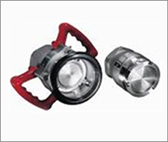
Modern manufacturing environments demand components that match the pace of automated operations. Drybreak couplings have emerged as essential elements in these systems, offering leak-free disconnection that protects both product quality and operator safety. These specialised connectors enable rapid changeovers without fluid spillage, making them valuable in industries where contamination risks or hazardous materials are concerns.
Understanding Automation’s Fluid Transfer Challenges
Identifying Bottlenecks in Automated Workflows: Automated systems move at speeds that manual operations cannot match, processing materials and transferring fluids with minimal human oversight. Standard couplings create delays during maintenance cycles or product changeovers, forcing operators to drain lines completely before disconnection. This interruption disrupts production flow and introduces contamination risks that quality-conscious industries cannot tolerate.
The Problem With Traditional Quick Disconnects: Conventional quick-release fittings allow small amounts of fluid to escape during connection and disconnection events. In manual operations, operators can perhaps manage these minor spills with absorbent materials or containment trays. Automated systems lack this flexibility, and even tiny leaks accumulate over hundreds of daily cycles, creating safety hazards and product waste.
How Drybreak Technology Supports Automated Operations
Preventing Contamination in Sensitive Processes: Pharmaceutical production lines and food processing facilities cannot afford cross-contamination between product batches. Drybreak couplings seal both halves of the connection automatically upon disconnection, trapping residual fluid inside rather than allowing it to drip onto surfaces. This containment maintains the sterile conditions that cleanroom environments require for regulatory compliance.
Reducing Downtime During Maintenance Cycles: Automated plants schedule maintenance windows carefully, as every minute of downtime translates directly to lost production capacity. Traditional couplings require operators to depressurise systems, drain lines, and clean up spills before technicians can access equipment. Drybreak designs eliminate these preparatory steps, allowing maintenance teams to disconnect lines instantly without fluid release.
- Minimises fluid waste during routine disconnections, protecting valuable materials from spillage.
- Eliminates cleanup time between product changeovers, supporting faster batch transitions.
- Reduces exposure risks for maintenance personnel working with hazardous chemicals or hot fluids.
- Maintains system cleanliness in automated environments where manual intervention is limited.
- Supports rapid connection and disconnection cycles that match robotic operation speeds.
Technical Advantages in Robotic Manufacturing
Matching the Speed of Automated Processes: Robotic systems execute tasks in fractions of seconds, and fluid transfer components must keep pace with these rapid cycles. Drybreak couplings feature push-to-connect mechanisms that engage fully with minimal force, allowing robotic arms to complete connections without complex alignment procedures. This simplicity reduces programming complexity and enables faster cycle times.
Ensuring Consistent Performance Across Cycles: Automation relies on repeatability, where each operation must produce identical results regardless of environmental conditions or operator variation. Drybreak couplings provide consistent sealing performance across thousands of connection cycles, maintaining leak-free operation even as seals experience normal wear. This reliability supports the predictable operation that quality management systems demand.
See also: The Role of Tech Platforms in Driving the Next Digital Wave
Safety Benefits in Hazardous Material Handling
Protecting Workers From Chemical Exposure: Automated chemical processing facilities handle corrosive acids, toxic solvents, and reactive compounds that pose serious health risks during manual handling. Drybreak couplings contain these materials within sealed systems, preventing atmospheric release during disconnection events. This containment reduces the need for extensive personal protective equipment and lowers the risk of chemical burns.
Preventing Environmental Contamination: Regulatory agencies impose strict penalties for chemical spills that reach stormwater systems or contaminate soil around industrial facilities. Even small, repeated leaks from standard couplings can accumulate into reportable quantities over time. Drybreak technology eliminates these incremental losses, helping facilities maintain compliance with environmental regulations whilst protecting local ecosystems.
Selecting Appropriate Coupling Designs
Evaluating Pressure and Temperature Requirements: Not all drybreak couplings suit every application, as different designs accommodate varying pressure ratings and temperature ranges. Chemical transfer systems operating at elevated pressures require couplings with reinforced sealing mechanisms that maintain integrity under stress. High-temperature applications need materials that resist thermal degradation, ensuring seals remain effective.
Considering Material Compatibility: The fluids transferred through automated systems vary widely in chemical composition, from aggressive solvents to abrasive slurries. Coupling materials must resist corrosion and degradation when exposed to these substances repeatedly. Stainless steel bodies suit many chemical applications, but specialised elastomers or fluoropolymer seals may be necessary for aggressive media.
Integration With Modern Control Systems
Supporting Automated Monitoring: Advanced manufacturing facilities integrate sensors throughout their fluid transfer networks to track flow rates, pressures, and connection status in real time. Some drybreak coupling designs incorporate position sensors that confirm proper engagement, sending signals to control systems that verify connections before automated processes begin. This validation prevents costly errors.
Enabling Predictive Maintenance Programmes: Smart manufacturing initiatives rely on data collection to predict component failures before they occur. Monitoring connection cycles and seal performance over time allows maintenance teams to schedule coupling replacements during planned shutdowns rather than responding to unexpected failures. This proactive approach minimises unplanned downtime and extends equipment service life.
Conclusion
Automated manufacturing systems require fluid transfer components that match their speed, reliability, and safety standards. Drybreak couplings address the specific challenges these environments present, from preventing contamination in sensitive processes to reducing downtime during maintenance activities. Their leak-free performance supports the continuous operation that modern facilities need to remain competitive. Evaluate your current fluid transfer connections to identify where drybreak technology could enhance operational efficiency.